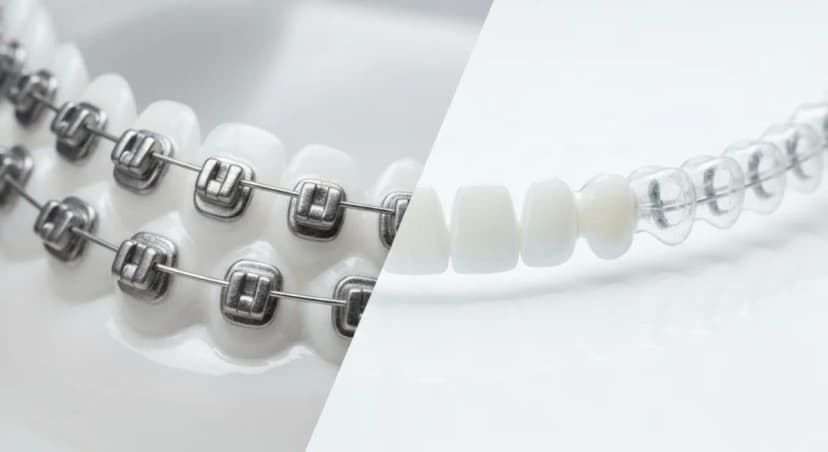
One of the most common questions patients ask during their first consultation at Samhita Dental in Basaveshwaranagar is: "Can aligners fix my teeth?" The honest answer is that it depends on the specific problem and its severity. Clear aligners have advanced significantly over the past decade and can now treat many conditions that previously required traditional metal braces. However, they do have limitations, and understanding those boundaries is essential before you commit to treatment.
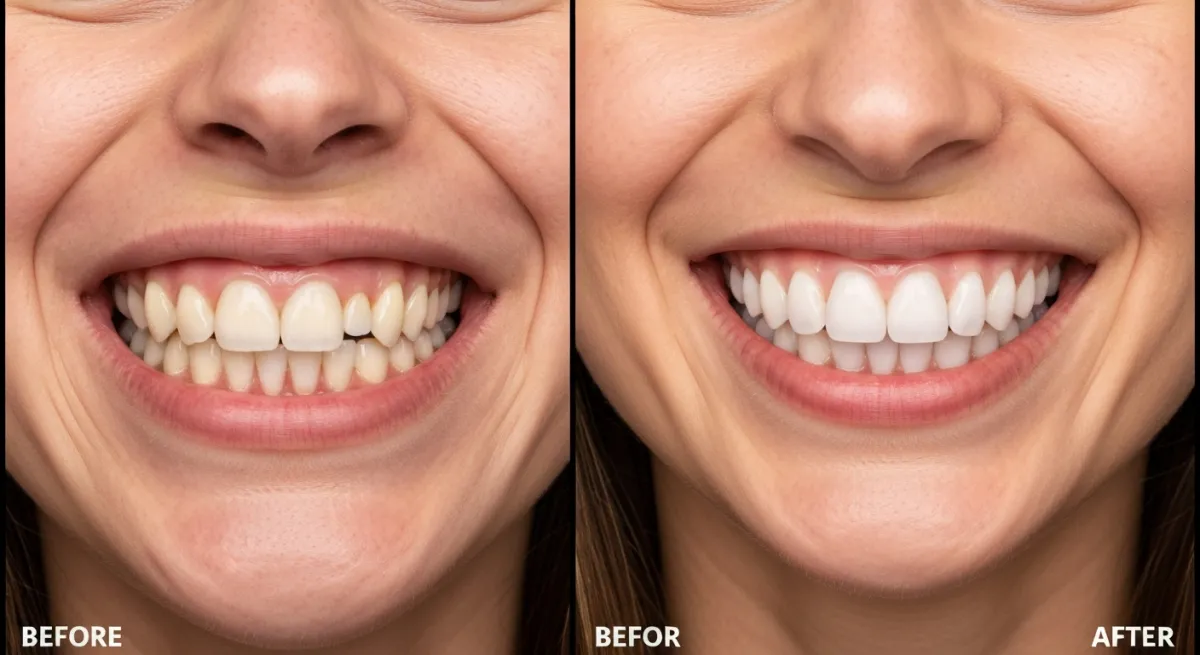
This guide walks you through the six most common dental problems patients ask about, explaining what aligners can fix, where they struggle, and when braces might be the better choice. Whether you are dealing with crowding, gaps, or a bite issue, this article will help you set realistic expectations before your consultation. And if your goal is a complete cosmetic transformation, aligners are often just one part of a broader smile correction plan that can also include professional teeth whitening once your teeth are aligned.
What Dental Problems Can Clear Aligners Treat?
Clear aligners work by applying controlled, gradual pressure to move teeth into their desired positions. They are most effective for mild-to-moderate orthodontic issues. Modern aligners, combined with precision attachments and advanced treatment planning software, can now address a wider range of conditions than earlier versions could. The six most common conditions patients ask about are overbite, underbite, crossbite, open bite, crowding, and spacing. Each is covered in detail below with an honest assessment of aligner suitability.
1. Can Aligners Fix Overbite?
What Is an Overbite?
An overbite occurs when the upper front teeth overlap the lower front teeth excessively. A normal overbite is about 2-3mm, but anything beyond that is considered excessive. Overbite is often caused by genetics, childhood habits like thumb sucking, or uneven jaw development.
Aligner Suitability for Overbite
Mild overbite (2-4mm): Yes, clear aligners can effectively treat this. Treatment involves gradually moving the upper teeth back or the lower teeth forward. Most patients see excellent results within 6-10 months.
Moderate overbite (4-6mm): Aligners may work with the help of attachments and elastics, but this requires careful case assessment by an experienced orthodontist.
Severe overbite (6mm+): Aligners alone are usually insufficient. Traditional braces or a combination approach may be required. In extreme cases, surgical correction could be necessary.
2. Can Aligners Fix Underbite?
What Is an Underbite?
An underbite is when the lower front teeth sit in front of the upper front teeth. This can be a dental issue, meaning it is related to tooth position, or a skeletal issue related to jaw position. The cause is usually genetic or due to a jaw growth imbalance.
Aligner Suitability for Underbite
Mild dental underbite: Aligners can help when the issue is limited to tooth positioning. Treatment typically involves tipping the upper teeth forward and the lower teeth back, with results achievable in 8-14 months.
Moderate to severe underbite: Aligners have significant limitations here. Braces, elastics, or supplementary appliances are often necessary. Severe skeletal underbite typically requires braces combined with orthognathic (jaw) surgery. At Samhita Dental, Dr. Anvitha evaluates each case to determine the most effective treatment path.
3. Can Aligners Fix Crossbite?
A crossbite occurs when one or more upper teeth sit inside the lower teeth instead of outside. It can affect the front teeth (anterior crossbite) or the back teeth (posterior crossbite).
Mild dental crossbite involving 1-2 teeth responds well to aligner treatment. The teeth can be repositioned effectively within 6-10 months. Moderate crossbite may be treatable with attachments and careful planning, depending on whether the problem is dental or skeletal. Severe or skeletal crossbite usually requires a palatal expander, especially in younger patients, followed by braces or aligners.
4. Can Aligners Fix Open Bite?
An open bite means the front teeth do not touch when the back teeth are closed, leaving a visible gap. This is often caused by prolonged thumb sucking, tongue thrusting, or genetic factors.
Mild open bite may be improved with aligners using precision attachments that help intrude back teeth or extrude front teeth. Treatment typically takes 10-16 months. However, moderate to severe open bite is one of the more challenging conditions for aligners. Braces are generally more effective, and severe cases may require surgical intervention.
5. Can Aligners Fix Crowding?
Crowding is the most common orthodontic issue globally. It occurs when teeth overlap or rotate because there is not enough space in the jaw. This is also the condition where aligners perform best.
Mild crowding (1-3mm): Aligners are excellent for this. Results are typically visible within 4-8 months.
Moderate crowding (3-5mm): Aligners can usually handle this effectively, sometimes with IPR (interproximal reduction), a safe procedure that creates small amounts of space between teeth. Treatment takes 8-12 months.
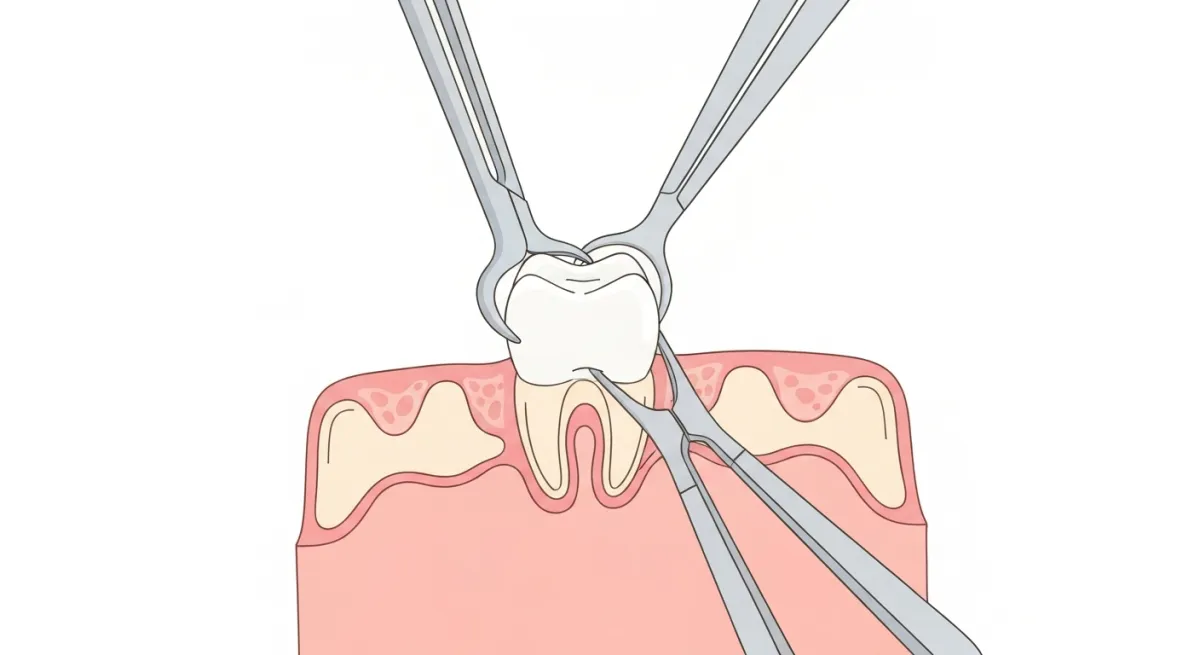
Severe crowding (5mm+): Aligners may still work in some cases, but tooth extraction might be needed first. Braces can sometimes be more efficient for severe crowding, taking 12-18 months.
6. Can Aligners Fix Gaps and Spacing?
Spacing issues, including the common diastema (gap between the two upper front teeth), respond very well to aligner treatment. Small gaps of 1-3mm can often be closed in 4-8 months. Moderate gaps of 3-5mm take 8-12 months. Large gaps exceeding 5mm, especially those caused by missing teeth, may require a combination of aligners and other treatments such as dental implants or bridges.
What Aligners Cannot Fix
It is important to be upfront about limitations. Clear aligners are not suitable for:
Severe skeletal jaw discrepancies that require surgical correction, large vertical tooth movements, complex tooth rotations (especially premolars rotated more than 20 degrees), severe open bite or deep bite, and cases requiring significant space closure after tooth extraction.
Being told you need braces instead of aligners is not bad news. The goal is always the best possible result for your smile and oral health. At Samhita Dental in Basaveshwaranagar, we evaluate every case honestly and recommend the treatment that will deliver the best outcome, whether that is aligners, braces, or a combination approach.
How to Find Out If Aligners Can Fix Your Teeth
The only way to know for certain whether aligners are right for your specific case is a professional evaluation. At Samhita Dental, the process is straightforward: book a consultation by calling 7483578147, get a digital scan and X-ray at the clinic, and receive an honest assessment from Dr. Anvitha. If aligners are suitable, you will see a digital simulation of your expected results before treatment begins.