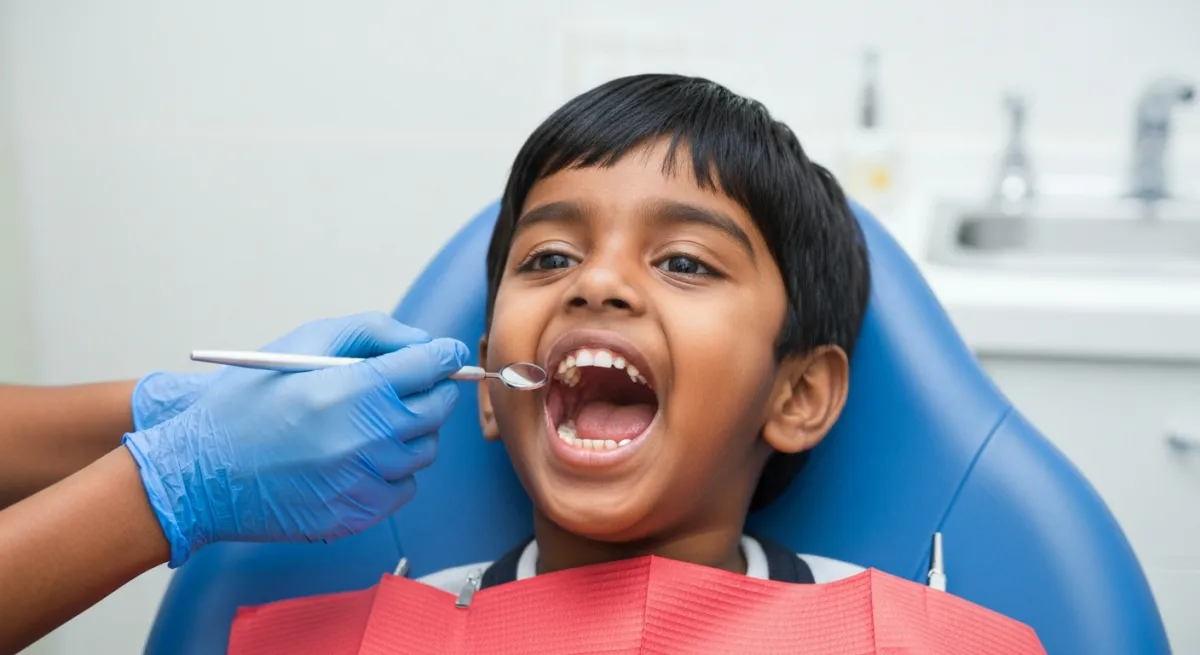
Choosing a dentist is one of those decisions you do not think much about — until you are sitting in the chair and wondering if you made the right call. Many patients choose a dentist based solely on proximity or a friend's recommendation, without evaluating the things that actually matter: qualifications, infrastructure, hygiene standards, and pricing honesty. A wrong choice can mean unnecessary treatments, inflated bills, or worse — a botched procedure.
This guide gives you a practical checklist for choosing the right dentist — whether you need a routine check-up, a specialist procedure like implants or braces, or a family dentist for your children. Written by Dr. Sumukh M, MDS Oral & Maxillofacial Surgeon with 15+ years of experience at Samhita Dental, Basaveshwaranagar.
Check Your Dentist's Qualifications — BDS vs MDS
Most patients do not know the difference between BDS and MDS, but it matters more than you might think.
BDS (Bachelor of Dental Surgery) is a 4-5 year degree that qualifies a dentist for general practice — cleanings, fillings, basic extractions, and root canals. A BDS dentist is perfectly qualified for routine dental care.
MDS (Master of Dental Surgery) is 3 additional years of specialisation after BDS, equivalent to a medical specialist. MDS branches include Oral & Maxillofacial Surgery, Orthodontics, Prosthodontics, Periodontics, Endodontics, and more. An MDS surgeon has extensive training that a general BDS dentist does not.
Why It Matters for Specific Treatments
Dental implants should ideally be placed by an MDS Oral & Maxillofacial Surgeon or Prosthodontist. Orthodontics (braces and aligners) should be supervised by an MDS Orthodontist. Complex root canals are best handled by an MDS Endodontist. For general cleanings and fillings, a BDS dentist is perfectly adequate.
The reality is that most dental clinics in Bangalore are run by BDS dentists. Having an MDS-qualified specialist on staff is relatively rare and is a significant quality differentiator. You can verify qualifications on the Dental Council of India register or the Karnataka State Dental Council register.
Evaluate the Clinic's Infrastructure and Equipment
In-House X-Ray Facility
A good dental clinic should have at least digital X-ray (RVG) on-site. An in-house OPG (full-mouth X-ray) is a major advantage — it saves you a trip to a separate radiology centre. X-ray capability is essential for diagnosis; a clinic without it may miss hidden problems.
Sterilisation and Hygiene Protocol
This is non-negotiable — the single most important safety factor. Look for an autoclave, UV steriliser, and ultrasonic cleaner. Instruments should be stored in sealed, sterilised pouches and opened in front of you. Ask about the sterilisation protocol — a good clinic will proudly explain it.
Modern Equipment
While not every treatment requires high-tech equipment, a clinic that invests in technology is investing in your care. Look for digital impressions, computer-guided implant placement systems, dental operating microscopes for root canals, and in-house aligner milling machines that reduce cost and turnaround time.
Questions to Ask Your Dentist Before Starting Treatment
Here are ten questions every patient should ask:
1. What is your qualification — BDS or MDS, and which specialisation? 2. How many years of experience do you have with this specific procedure? 3. What is the total cost, including all components? 4. What are my treatment options? 5. What materials or brands will you use? 6. Do you have before-and-after photos of similar cases? 7. What is the expected timeline? 8. What are the risks or potential complications? 9. Do you offer EMI or payment plan options? 10. What does post-treatment follow-up look like, and is it included in the cost?
A good dentist welcomes these questions and answers them clearly. If a dentist is evasive, dismissive, or rushes you, consider that a red flag.
Red Flags to Watch For
Pricing Red Flags
Be cautious of clinics that refuse to discuss costs until after treatment starts, offer prices that seem too good to be true (they may use unbranded materials or add hidden charges), or add charges mid-treatment that were not discussed upfront.
Treatment Red Flags
Warning signs include recommending extensive treatment without proper diagnosis or X-ray, pushing expensive procedures without presenting alternatives, starting treatment without explaining the procedure, and using scare tactics like "if you do not do this now, you will lose all your teeth."
Hygiene Red Flags
Never accept treatment at a clinic where instruments are not autoclaved, treatment rooms are dirty or cluttered, staff are not wearing gloves and masks, or there is no separate disposal for medical waste.
Why Pricing Transparency Matters
Most dental clinics in India do not list prices on their website or even in the clinic. This lack of transparency creates anxiety and distrust. A clinic that publishes prices signals confidence in its value proposition. Look for "starting from" prices on the website, a printed price list at the clinic, and willingness to give a written estimate before treatment. Watch for hidden costs: separate X-ray charges, surgery fees quoted separately, follow-up visit charges, and crown costs listed separately from the procedure.
Check Online Reviews
Google reviews are the most reliable source — they are harder to fake and tied to real accounts. Look for consistent themes: "painless," "clean," "professional," "transparent pricing." Pay attention to how the clinic responds to negative reviews, as that shows professionalism. Recent reviews matter more than old ones, and reviews mentioning specific treatments or doctors are more trustworthy than vague praise.
Location, Hours, and Accessibility
Choose a dentist close to your home or office — convenience increases the likelihood you will keep regular appointments. Check working hours carefully: most clinics close by 6-7 PM, which is inconvenient for working professionals. Extended hours like 10 AM to 8 PM make scheduling easier. Saturday availability is a bonus. Also consider public transport access, parking availability, and wheelchair accessibility for elderly patients.
What to Expect at Your First Dental Visit
A good first visit sets the tone for a long-term patient-dentist relationship. Here is what should happen: 1. Medical history review covering existing conditions, allergies, and medications. 2. Dental examination with visual inspection. 3. X-ray if needed. 4. Diagnosis and findings explained clearly with the X-ray shown to you. 5. Treatment plan with options and a cost estimate. 6. Your questions answered without rushing. 7. Cleaning or scaling if appropriate.
A good first visit should leave you feeling informed, comfortable, and confident in your choice. At Samhita Dental in Basaveshwaranagar, the consultation fee is INR 300.