Choosing the right dental crown can feel overwhelming — there are at least five different materials, each with different costs, aesthetics, and durability. Whether you need a crown after a root canal, for a broken tooth, or as part of a bridge, this guide compares every type of dental crown available in India, their costs, and when each one is the best choice. Written by Dr. Anvitha at Samhita Dental, Basaveshwaranagar, Bangalore.
What Is a Dental Crown and When Do You Need One?
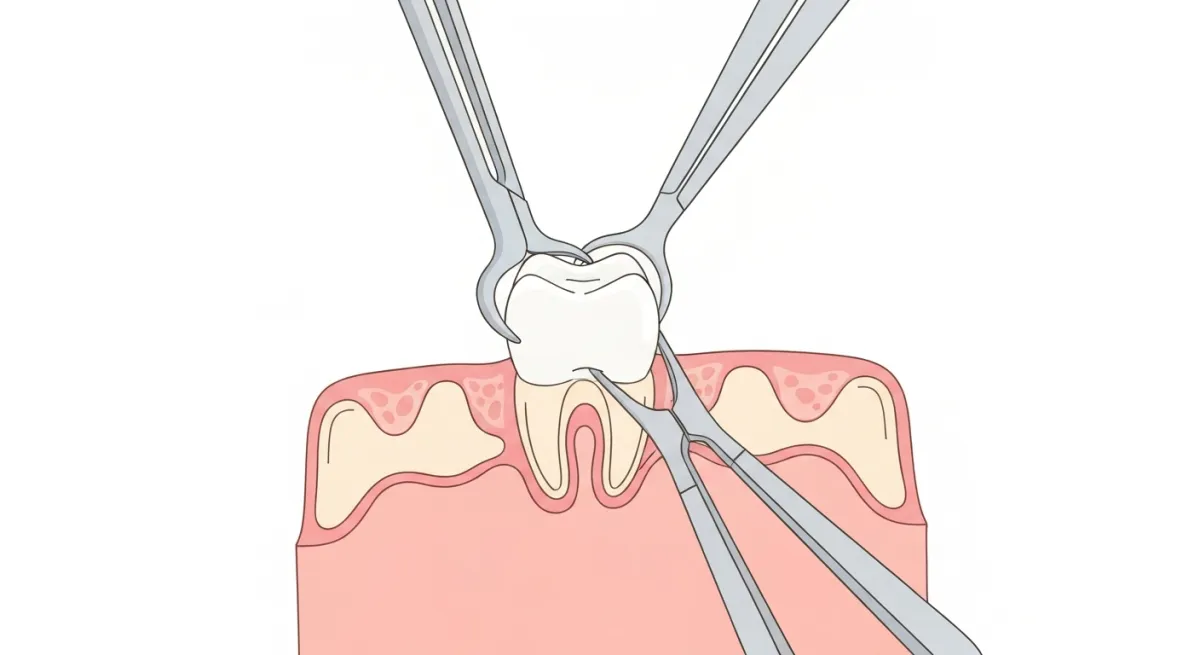
A dental crown, also called a tooth cap, is a custom-made cover that fits over a damaged, decayed, or weakened tooth. It restores the tooth's shape, size, strength, and appearance, completely encasing the visible portion above the gum line.
When Do You Need a Crown?
You may need a dental crown: after root canal treatment (the treated tooth becomes brittle and needs protection), for a severely decayed tooth that cannot be restored with a filling alone, for a cracked, chipped, or fractured tooth, to support a dental bridge, over a dental implant, for a severely worn-down tooth, or to improve the appearance of a misshapen or discoloured tooth.
Types of Dental Crowns — Complete Comparison
Zirconia Crowns
Zirconia crowns are made from zirconium dioxide, an extremely strong, white ceramic material. They combine the strength of metal with the aesthetics of ceramic. Zirconia is metal-free, biocompatible, and hypoallergenic. Available in monolithic (single block, strongest) or layered (with porcelain overlay, most aesthetic) options. Cost: INR 8,000 to 20,000. Best for both front and back teeth, dental bridges, and patients who grind their teeth. Lifespan: 15-20+ years.
All-Ceramic / Porcelain Crowns
Made entirely from dental ceramic, these crowns provide the most natural, tooth-like appearance with excellent light transmission. They are less strong than zirconia and can chip under heavy bite force. Cost: INR 6,000 to 15,000. Best for front teeth where aesthetics are the top priority. Lifespan: 10-15 years.
PFM (Porcelain Fused to Metal) Crowns
PFM crowns have a metal core covered with porcelain on the outside. They are the most commonly used crown type in India due to their balance of cost, strength, and aesthetics. One drawback: a dark metal line may become visible at the gum margin over time as gums recede. Cost: INR 3,000 to 8,000. Best for budget-conscious patients and back teeth. Lifespan: 10-15 years.
Metal Crowns
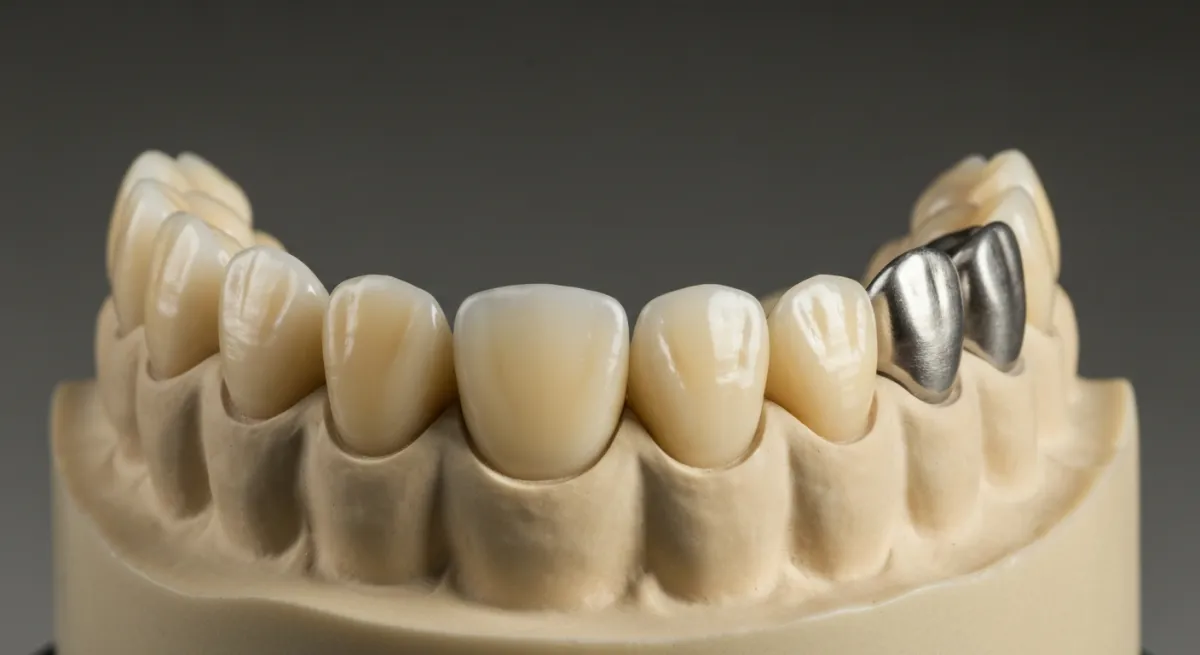
Made entirely from metal — gold alloy, palladium, nickel, or chromium alloys — metal crowns are the strongest and most durable crown type. They can withstand the heaviest biting forces. However, their obvious metallic appearance makes them unsuitable for visible teeth. Cost: INR 3,000 to 10,000 (base metal) or INR 15,000+ (gold). Best for back molars where aesthetics do not matter. Lifespan: 20-30+ years.
e.max Crowns (Lithium Disilicate)
e.max is a premium all-ceramic crown made from lithium disilicate glass-ceramic. It offers exceptional aesthetics with high translucency that mimics natural tooth perfectly. Stronger than traditional porcelain but not as strong as zirconia. Cost: INR 10,000 to 18,000. Best for front teeth and single crowns where the most natural look is desired. Lifespan: 15-20 years.
Dental Crown Cost — Detailed Breakdown
Here is a summary of dental crown costs in India for 2026:
PFM: INR 3,000-8,000 (Budget). Base metal: INR 3,000-6,000 (Budget). All-ceramic: INR 6,000-15,000 (Mid-range). Zirconia: INR 8,000-20,000 (Mid-premium). e.max: INR 10,000-18,000 (Premium). Gold: INR 15,000-30,000+ (Premium).
What Affects Crown Cost?
The main factors are: material (zirconia and e.max cost more than PFM), tooth position (front teeth may cost more due to shade matching requirements), lab quality (premium labs deliver better fit and aesthetics), dentist expertise (MDS specialists deliver more precise results), and number of crowns needed.
How to Choose the Right Crown
By Tooth Position
Front teeth: e.max, all-ceramic, or layered zirconia — aesthetics are paramount. Premolars: Zirconia or PFM — balance of aesthetics and strength. Back molars: Monolithic zirconia, metal, or PFM — maximum strength for heavy chewing.
By Your Priority
If your priority is best aesthetics, choose e.max or all-ceramic. For maximum strength, choose monolithic zirconia or metal. For best value, choose PFM. If you need a metal-free option, choose zirconia, all-ceramic, or e.max. For the longest lifespan, gold or zirconia are your best options.
Crown After Root Canal — Do You Always Need One?
In most cases, yes — especially for premolars and molars. After a root canal, the tooth loses its blood supply and becomes more brittle over time. Without a crown, it is at significant risk of fracturing, which could mean losing the tooth entirely. For back teeth, a crown is strongly recommended. Front teeth may sometimes survive without a crown if the remaining structure is adequate, but this is evaluated case by case.
How Long Do Dental Crowns Last?
Metal crowns: 20-30+ years (can last a lifetime). Zirconia: 15-20+ years. e.max: 15-20 years. PFM: 10-15 years. All-ceramic: 10-15 years. Lifespan depends on oral hygiene, diet, bruxism (teeth grinding), gum health, fit quality, and regular dental visits.
Crown Care Tips
To maximise your crown's lifespan: brush twice daily with a soft-bristled toothbrush, floss carefully around the crown area, avoid biting on hard foods like ice or hard candy, wear a night guard if you grind your teeth, visit your dentist every 6 months, distribute bite force evenly, and report any issues immediately if the crown feels loose or different.