If you have a dental implant procedure coming up, you are probably wondering — what does recovery actually look like? Recovery anxiety is one of the top reasons patients delay getting implants. The good news is that modern implant surgery, especially when performed by a trained MDS Oral & Maxillofacial Surgeon using computer-guided placement, involves far less pain and downtime than most patients expect.
This guide provides a complete day-by-day recovery timeline, written by Dr. Sumukh M, MDS Oral & Maxillofacial Surgeon and FICOI (USA), with 15+ years of experience. Most of our patients at Samhita Dental are surprised by how quickly they recover.
What to Expect Right After Surgery
The implant procedure itself is done under local anaesthesia — you will not feel pain during surgery. Computer-guided placement, used at Samhita Dental, minimises tissue trauma and speeds recovery. Immediately after surgery, you will experience numbness for 2-4 hours, mild bleeding, and the beginning of swelling. Bite gently on the gauze pad for 30-60 minutes to control bleeding. You can go home the same day, but have someone drive you.
Day-by-Day Recovery Timeline
Day 1 — Surgery Day
Numbness wears off in 2-4 hours, and mild to moderate discomfort begins. Take your prescribed painkillers before the numbness wears off for proactive pain management. Apply an ice pack (20 minutes on, 20 minutes off) to reduce swelling. Slight bleeding is normal — pink-tinged saliva is expected. Rest with your head elevated and avoid lying flat. Eat only soft, cold foods: yogurt, ice cream, smoothies, cold soup. Do not rinse your mouth, spit forcefully, or use a straw, as this can dislodge the blood clot. Do not brush the surgical site.
Days 2-3 — Peak Swelling
Swelling reaches its peak — this is completely normal and expected. Continue ice therapy during waking hours and switch to warm compresses on day 3 if swelling persists. Pain should be manageable with prescribed medication. Continue soft foods: mashed potatoes, dal, khichdi, scrambled eggs, porridge. Begin gentle warm saltwater rinses after 24 hours — do not swish aggressively. Avoid hot foods and beverages. Do not smoke — smoking significantly increases implant failure risk.
Days 4-7 — Gradual Improvement
Swelling begins to subside noticeably. Pain reduces significantly, and you may switch from prescription painkillers to over-the-counter medication. Some bruising around the cheek or jaw may appear, especially with multiple implants — this is normal. You can gently brush teeth near the surgical area while avoiding direct contact with the implant site. Continue warm saltwater rinses after meals. Most patients return to work by day 2-3; desk-work patients often return on day 2. Avoid strenuous exercise, heavy lifting, and bending over.
Weeks 2-4 — Healing Phase
Sutures dissolve or are removed, typically between day 7 and day 14. Swelling should be fully resolved. Gum tissue around the implant begins to heal and tighten. Gradually reintroduce semi-solid foods: rice, pasta, soft chapati, cooked vegetables. Avoid hard, crunchy, or sticky foods near the implant site. Resume normal oral hygiene with a soft-bristled toothbrush. Attend your follow-up visit, typically at 1-2 weeks post-surgery.
Months 2-3 — Osseointegration Begins
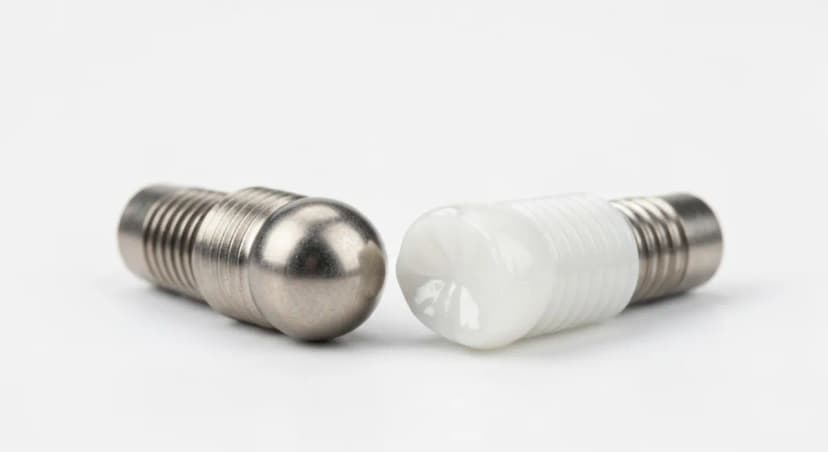
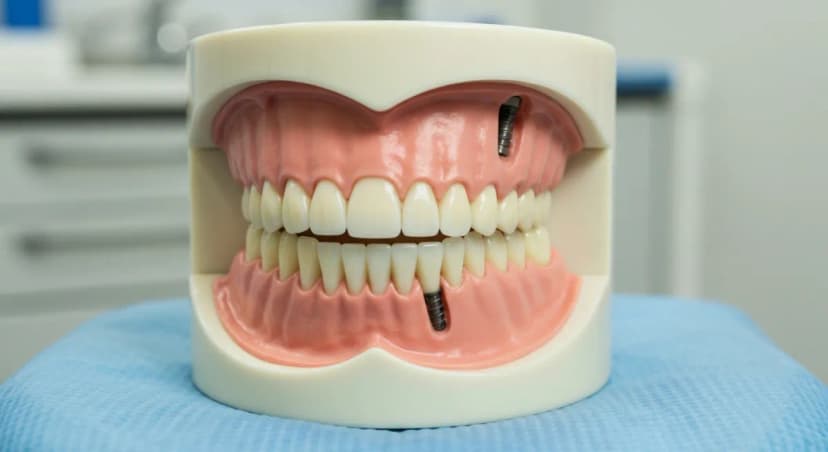
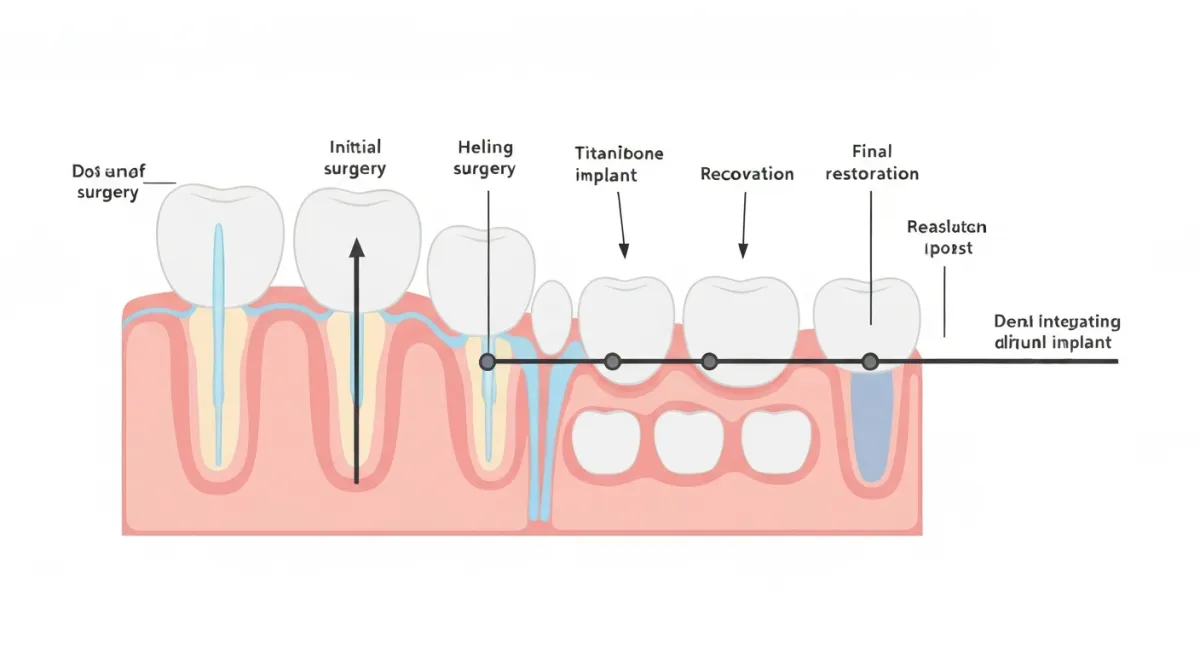
The implant screw begins fusing with the jawbone — a process called osseointegration. No pain or discomfort is expected at this stage. The implant area should feel stable, but the implant is not yet ready for full load-bearing. Continue eating normally but avoid biting very hard foods directly on the implant. Attend scheduled follow-up visits — X-rays confirm bone integration progress.
Months 3-6 — Full Integration and Crown Placement
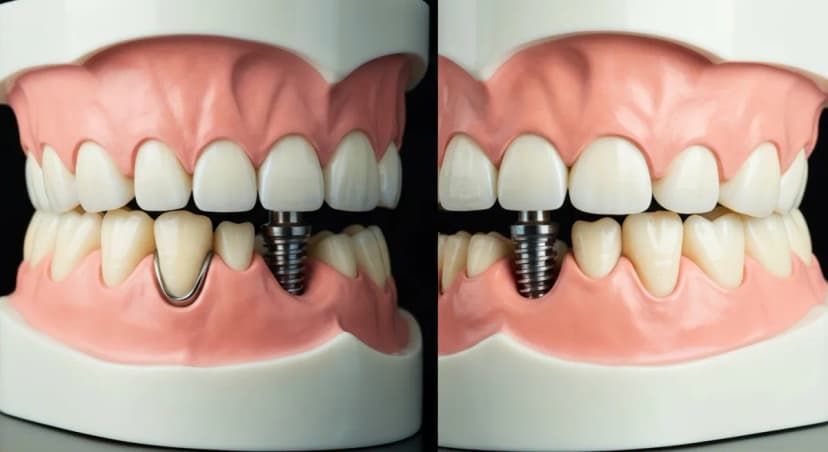
Osseointegration is complete — the implant is now firmly anchored in your jawbone. Your dentist places the abutment and permanent crown in a minor, painless procedure. You can now eat, chew, and bite with full confidence. The implant looks and functions like a natural tooth. At Samhita Dental, Dr. Sumukh verifies integration with an X-ray before placing the final crown.
Dos and Don'ts After Dental Implant Surgery
Do: Take medications exactly as prescribed. Apply ice packs in the first 48 hours. Eat soft, nutritious foods. Keep your head elevated while sleeping. Rinse gently with warm saltwater after 24 hours. Attend all follow-up appointments. Maintain oral hygiene with gentle brushing away from the surgical site.
Do not: Smoke or use tobacco — the number one cause of implant failure. Use a straw for the first 48 hours. Eat hard, crunchy, or sticky foods for 2-4 weeks. Touch the implant site with your tongue or fingers. Skip prescribed medications. Exercise vigorously for 5-7 days. Rinse aggressively or spit forcefully for 24 hours. Consume alcohol for 48-72 hours.
What to Eat After Implant Surgery — Diet Guide
Days 1-3: Cold and Soft Only
Cold yogurt, smoothies (no straw), ice cream, cold soups, applesauce, mashed banana, and protein shakes. Avoid hot foods and beverages completely.
Days 4-14: Warm and Soft Foods
Mashed potatoes, dal, khichdi, scrambled eggs, porridge, oatmeal, soft idli, upma, warm soups, mashed rice with rasam or sambar, steamed soft vegetables, paneer bhurji, and soft boiled eggs.
Weeks 3-4: Semi-Solid Foods
Soft chapati, rice, pasta, cooked vegetables, soft fruits like banana and papaya, and boneless soft-cooked fish. Gradually reintroduce your normal diet.
Signs of Complications — When to Call Your Dentist
Normal (expected): Mild-moderate pain for the first 3-5 days, swelling peaking on days 2-3 and subsiding by day 7, pink-tinged saliva in the first 24 hours, mild bruising on cheek or jaw, and numbness for 2-4 hours after surgery.
Concerning (call your dentist): Severe pain that worsens after day 3, swelling that increases after day 4, heavy bleeding that does not stop, pus or foul-smelling discharge, numbness lasting more than 24 hours, fever above 101 degrees Fahrenheit, or an implant that feels loose or mobile.
While 98% of dental implants at Samhita Dental are successful, knowing these warning signs ensures any complication is caught early and treated promptly.
Long-Term Dental Implant Care
Once the crown is placed, your implant requires the same care as natural teeth. Brush twice daily with a soft-bristled toothbrush. Floss daily — consider an interdental brush or water flosser for the implant area. Schedule dental check-ups every 6 months and professional cleaning every 6-12 months. The implant screw can last a lifetime; the crown may need replacement after 10-15 years. Avoid smoking, which increases the risk of peri-implantitis (gum disease around the implant).
Why Choose Samhita Dental for Your Implant?
Dr. Sumukh M — MDS Oral & Maxillofacial Surgery, FICOI (USA), 15+ years experience, 500+ workshops conducted — delivers a 98% success rate with computer-guided implant placement for higher precision and faster recovery. Samhita Dental offers same-day implants, in-house OPG and RVG diagnostics, transparent pricing from INR 36,000 per implant, and post-operative follow-up care included in the treatment cost.
Located in Basaveshwaranagar, Bangalore, open 10 AM to 8 PM, Monday to Saturday. Ready for a smooth implant experience? Call 7483578147.